When a 6 mm² cross-section comes into play
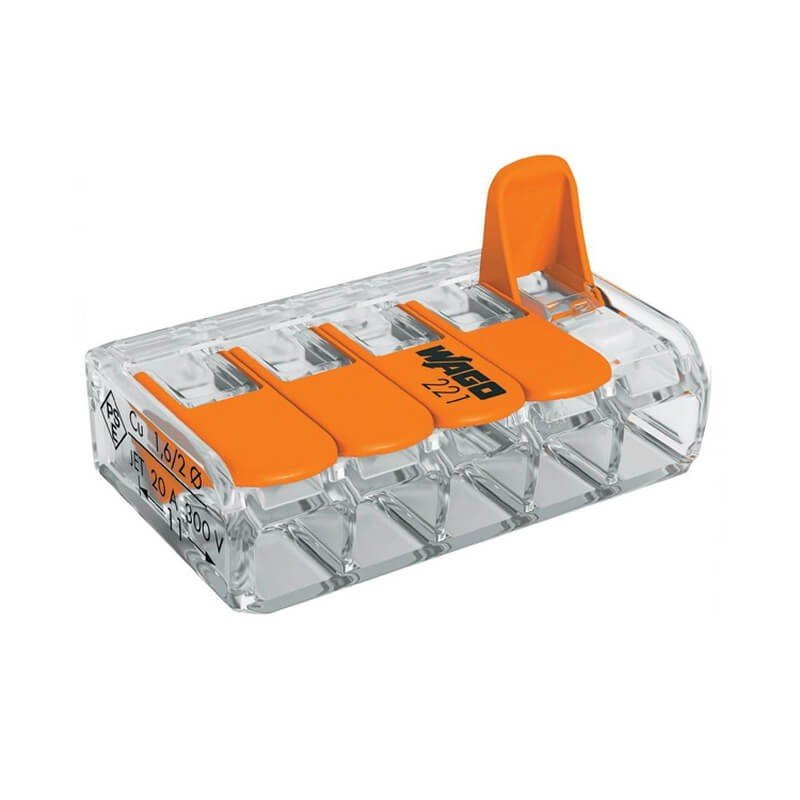
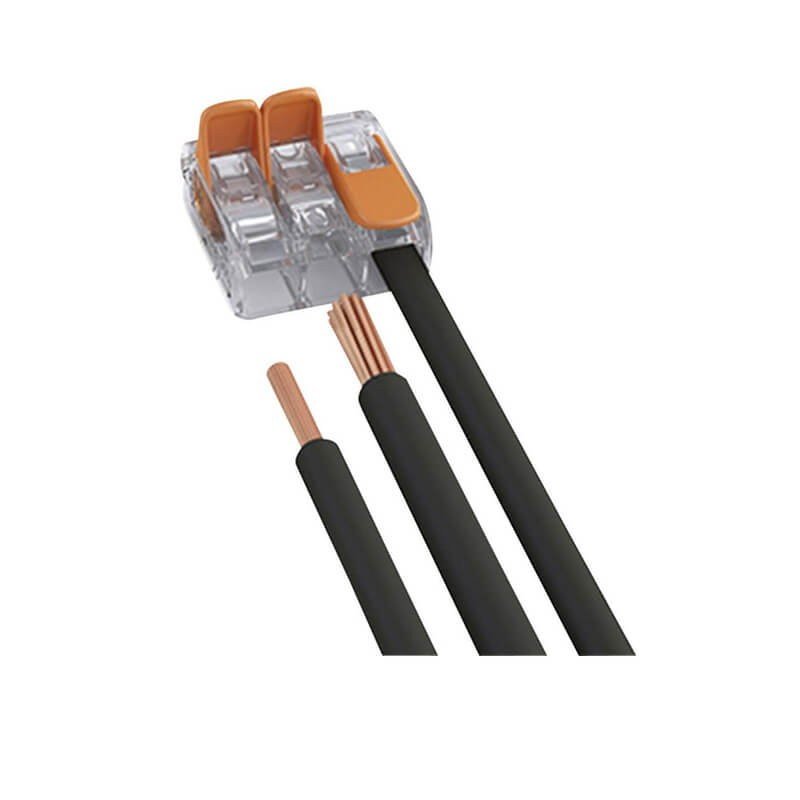
Small setups often make do with thin conductors, but as soon as a line gets longer or more heavily loaded, larger cross-sections are used. This Wattstunde terminal is marked for 6 mm², the value in its name. It lets you join two conductors of that size without soldering or insulating tape.
Common questions before choosing
Why a terminal dedicated to this cross-section?
A conductor too thick for a terminal seats badly, clamps badly and heats up. Conversely, an oversized terminal holds a thin cable poorly. Choosing a terminal stated for the real cross-section of your cable is therefore the first precaution.
What information is missing?
The data supplied is limited to the brand and the cross-section. Number of poles, permissible current, working voltage and the kind of conductors accepted are not stated: do not assume them, and read the manufacturer’s instructions.
Applications for homeowners and professionals
In a garage, shed or outbuilding, the terminal can be used to join a supply line whose cross-section was calculated by the installer. Professionals find a handy spare item for their site toolbox.
- joining two lengths of cable on the same line;
- reworking cabling when extending a system;
- maintenance joint in a distribution enclosure.
Putting it in place
Connection to a household electrical installation should be entrusted to a qualified installer, who sizes the line and its protection. Here are the general steps worth knowing:
- switch off and check that no voltage is present;
- strip the conductor carefully to the length indicated;
- push it fully into the terminal;
- check it holds with a gentle pull.
Then place the terminal in a closed box that stays accessible for inspection.
Strengths
- 6 mm² cross-section stated in the name, so easy to match with the planned cable.
- A terminal format that makes the joint readable and checkable.
- Wattstunde brand clearly identified.
Technical characteristics
- Brand: Wattstunde
- Connection cross-section: 6 mm²
- Type: junction terminal
Safety
Never work on live parts. Respect the manufacturer’s limits, do not insert a conductor larger than the intended cross-section and do not leave the terminal exposed to water: a suitable box is essential outdoors. A deformed, melted or blackened terminal must be replaced, and the cause of the heating found before the system is put back into service.
Care and storage
Before fitting, keep terminals in their packaging, in a dry place. After installation, inspect the enclosure periodically with the power off: a conductor that moves, a trace of heating or corrosion calls for prompt action. Keep a simple diagram of your wiring showing where each terminal is installed, to make any later troubleshooting easier. Reviewing it whenever the system is extended helps avoid forgotten joints and unpleasant surprises.