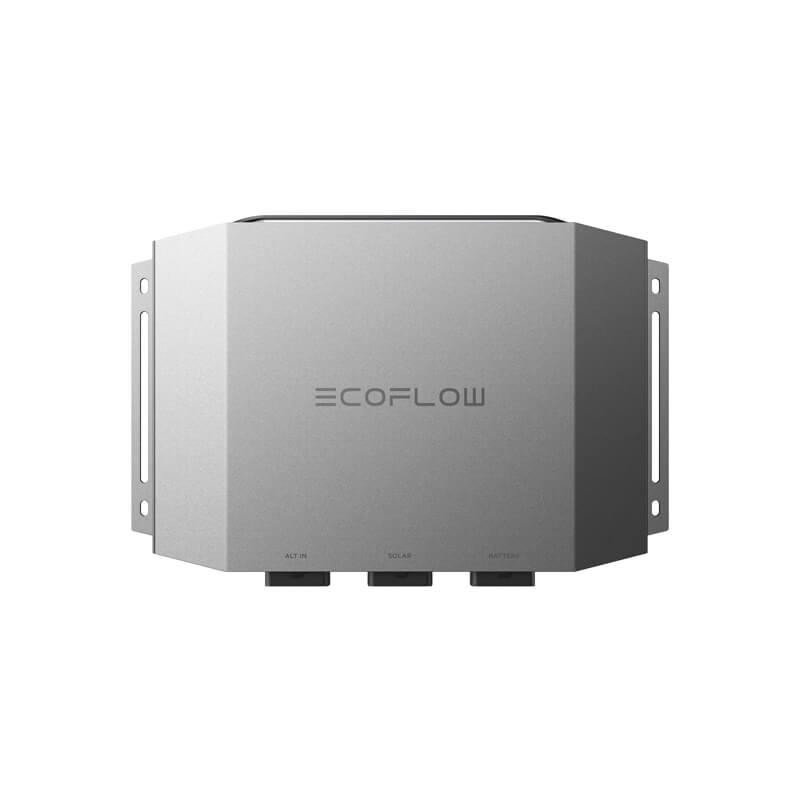
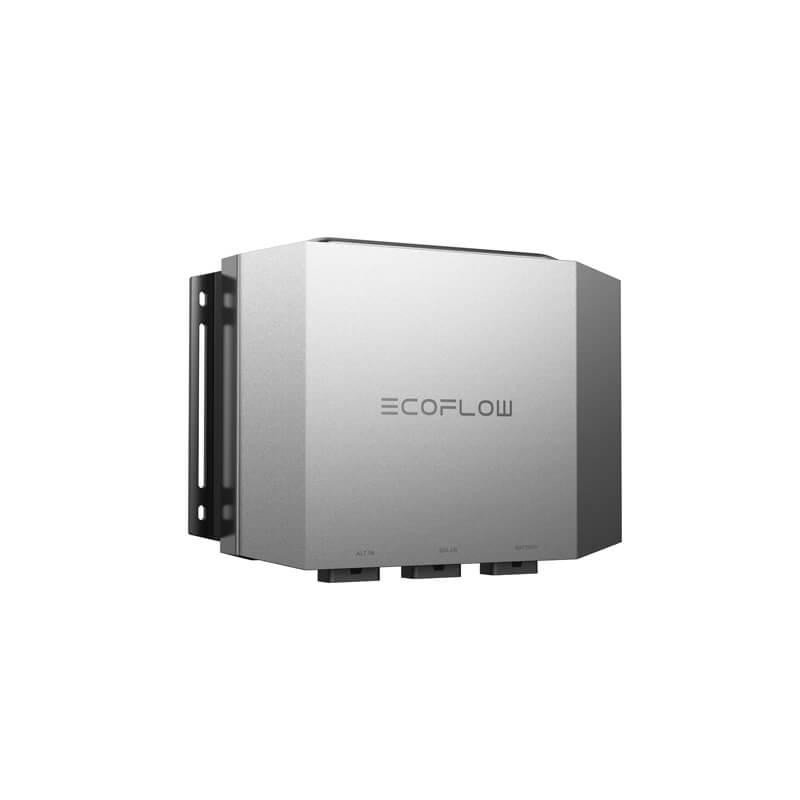
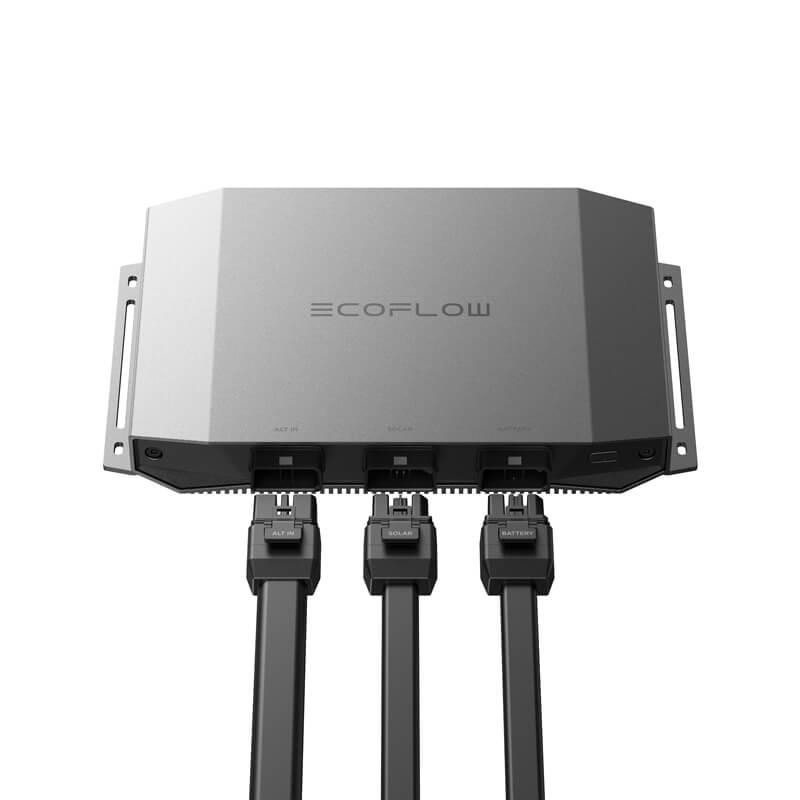
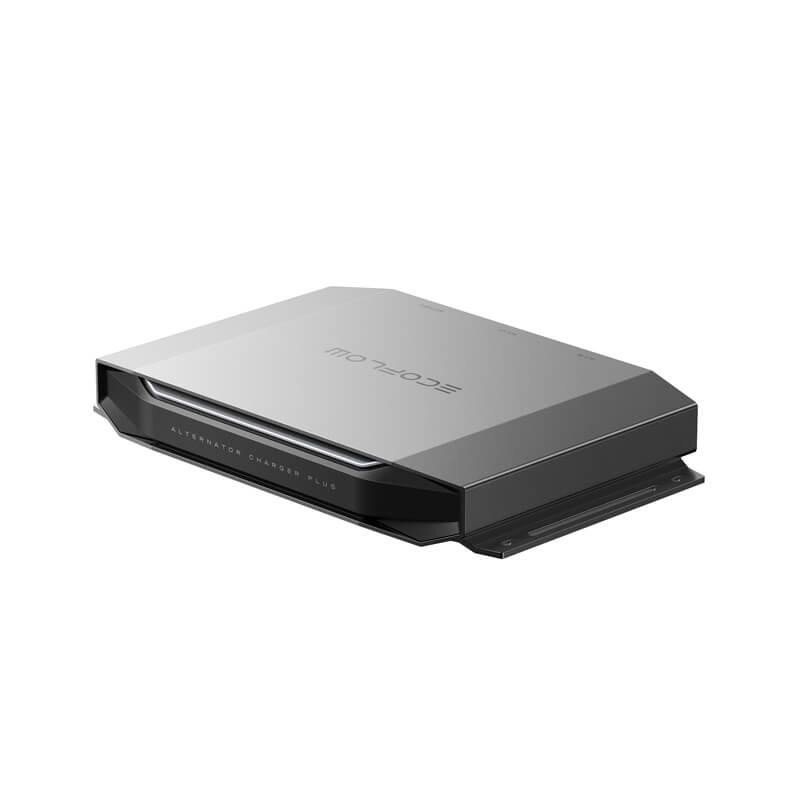
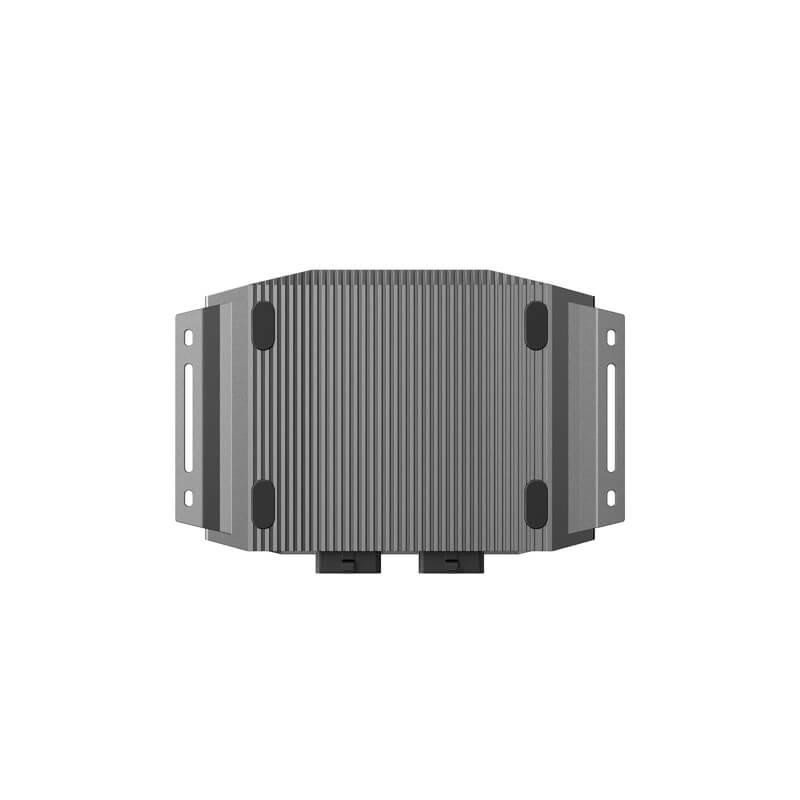
The big model of the Plus range for heavy demands
The EcoFlow Alternator Charger Plus 1000 is an alternator charger: it connects to a vehicle’s electrical circuit and transfers energy to a compatible battery or power station. Its name announces 1000 W, which the data sheet confirms with an output of 40 V to 60 V limited to 1000 W. At the input, it accepts 11 V to 31 V, with a maximum current of 75 A.
The information supplied stops there: weight, dimensions and temperature range are not specified. This page therefore stays deliberately cautious about anything that is not documented.
What is it for?
Home on wheels and nomadic life
In a large motorhome or a well-equipped van, appliances draw a lot: gentle electric cooking, refrigeration, computing, supplementary heating. A high-power charger rebuilds the reserve faster while you drive, provided the vehicle and its cables can bear the requested current.
Fleets and mobile workshops
For a professional vehicle that regularly powers tools, instruments or a workstation, the maximum output of 1000 W offers more margin than the more modest models in the range. Suitability with each battery or power station remains to be validated with their manufacturer.
What the figures reveal
- Input: 11 V to 31 V, 75 A max.
- Output: 40 V to 60 V, 1000 W max.
An input current of 75 A is significant. On a vehicle’s scale, it loads the alternator, cables, fuses and lugs. Before choosing this model, ask yourself whether your alternator can supply such a flow continuously while also feeding the rest of the vehicle. If the manual of the vehicle gives a limit for added loads on the alternator, that limit prevails. Ask the manufacturer when a figure is missing instead of guessing, and keep a note of the values you retain.
How to approach the installation
- Note the alternator’s capacity and the real voltage of your on-board network.
- Choose a dry, ventilated spot close to the battery, out of reach of engine heat.
- Plan cables and fuses sized for 75 A according to the manual.
- Have a qualified installer do the connection, especially on a recent vehicle with a charge-management system.
- Check polarity and tightness before the first power-up.
Safety
A short circuit at this current level is dangerous: insulate the terminals, use insulated tools and disconnect the battery before working. The 40 V to 60 V output must not be touched while live. Do not cover the housing, keep it away from flammable material and stop it if you notice a smell or abnormal heating.
Care and storage
Check fixings, lugs and the state of sheathing regularly, because the shaking of a vehicle tires connections. Dust the housing dry. For a long shutdown, disconnect the unit and keep it away from damp, in the conditions described by the manufacturer.