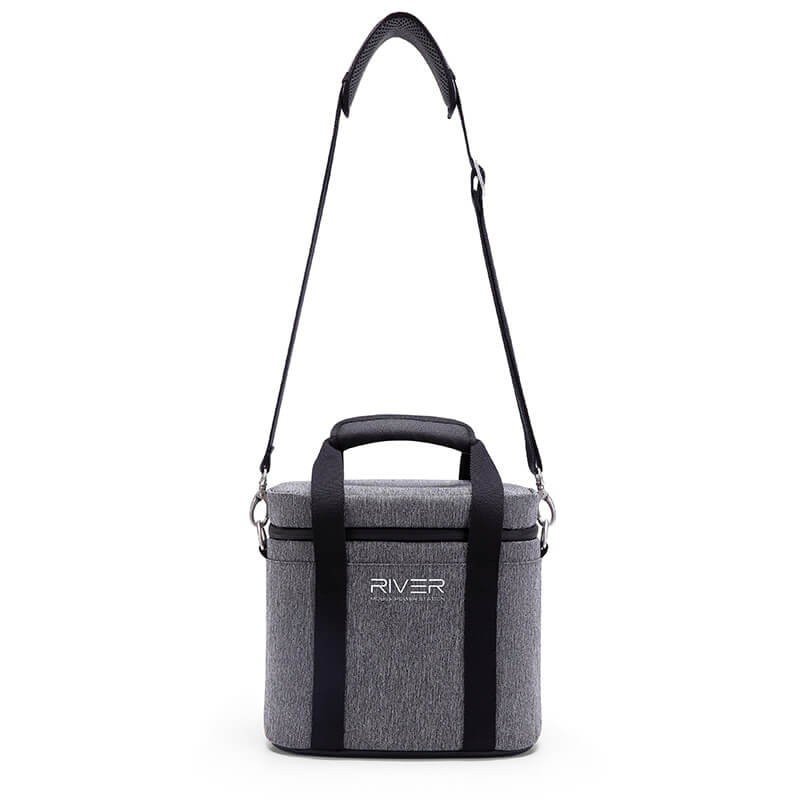
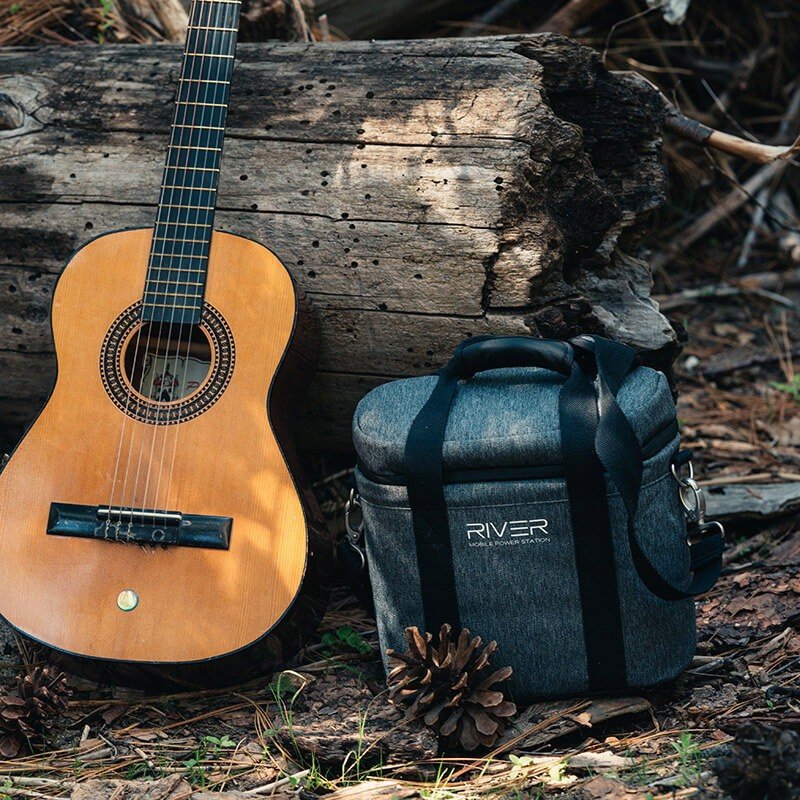
A case for the RIVER 370
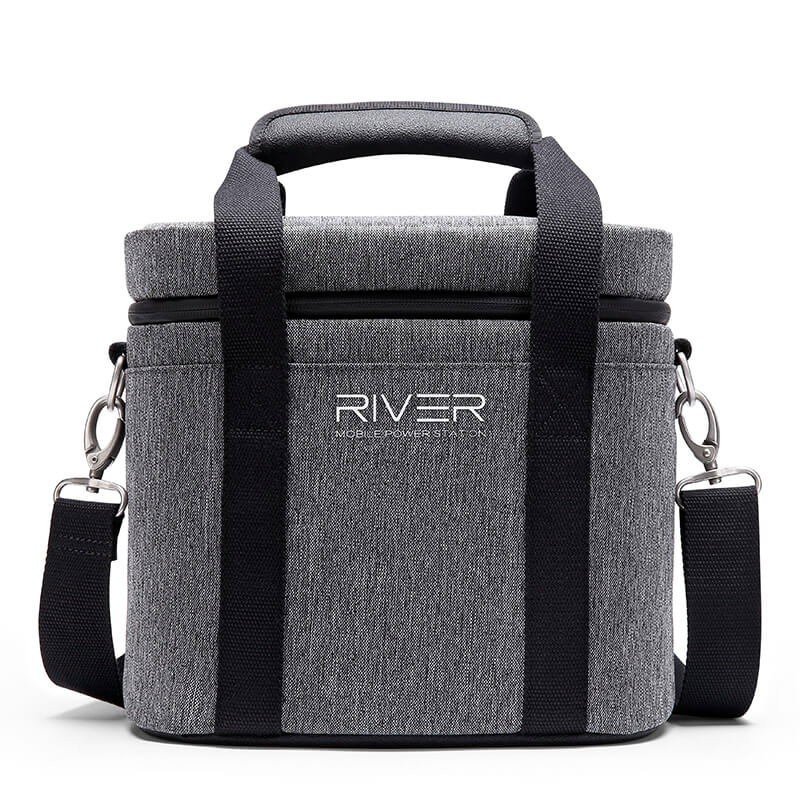
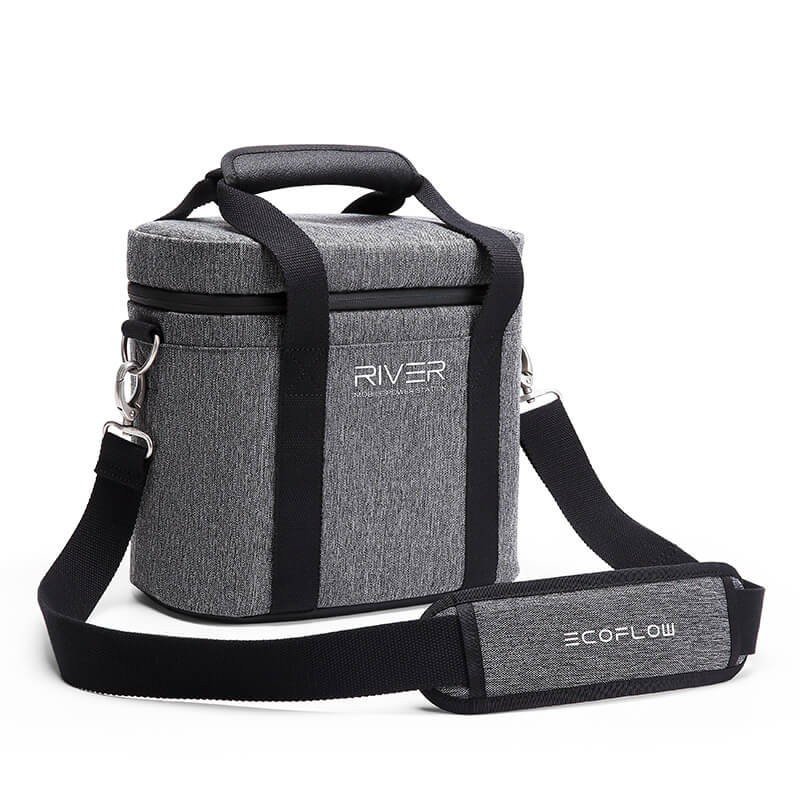
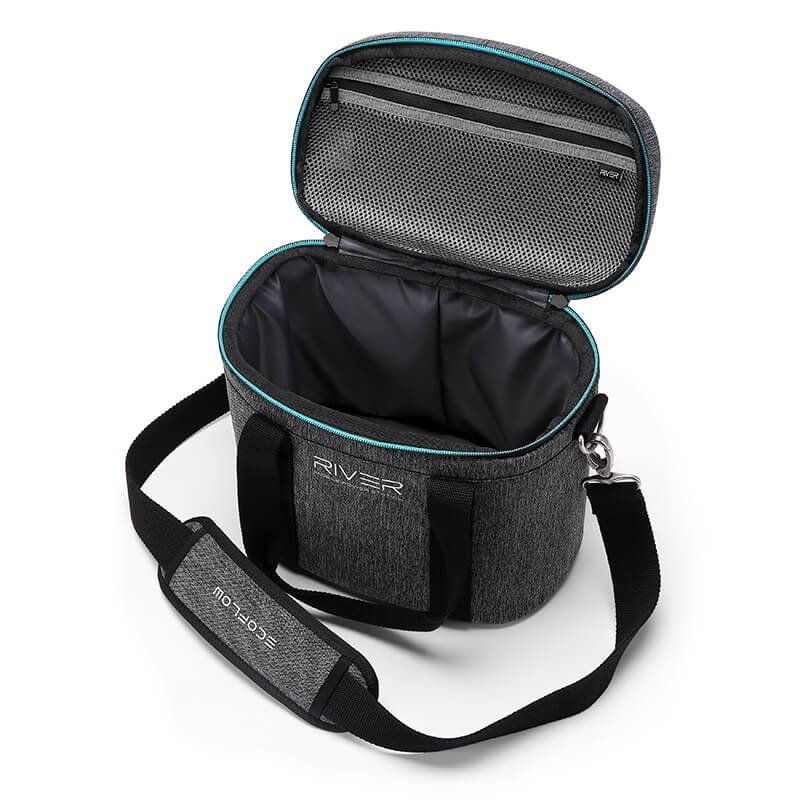
A station the size of the RIVER 370 quickly goes from shelf to car, then from boot to tent. In between, it meets tools, hiking boots and water bottles. This Ecoflow protective case gives it a dedicated shell that stays easy to slip into a bag or set down in a boot.
When to take it out
For leisure
A fishing weekend, a caravan stay, an evening by a campfire: the case keeps the station clear of trail dust, and you put the box where you know you will find it again.
For work
Outdoor sites, calls at clients’ premises, location shoots: the case prevents the station from being knocked about by the equipment around it in the vehicle.
Material, rating and size
The data give a POLY material and an IP64 rating. The case measures 262 x 176 x 248 mm and weighs 610 g. The IP64 rating is quoted as supplied: it describes a protection level, but does not mean the case withstands immersion. Consult the manufacturer’s instructions to learn how the rating applies to your use, and check that your unit fits within these dimensions.
Putting it into use
- Switch the station off and remove any accessories connected to it.
- Open the case and check that the inside is clean and dry.
- Insert the station without bending cables or connectors.
- Close the case and make sure the latch is properly engaged.
Reasons to choose it
- A 262 x 176 x 248 mm format that fits many boots.
- A weight of 610 g, light for this kind of accessory.
- An IP64 rating mentioned in the data, useful for outings where dust and splashes are to be expected.
Technical specifications
- Brand: Ecoflow
- Dimensions: 262 x 176 x 248 mm
- Weight: 610 g
- Material: POLY
- Protection rating: IP64
- Intended station: RIVER 370
Safety
Take the station out of the case before recharging or using it, so that it can dissipate its heat. Do not expose it to intense heat, for instance behind a window in full sun. After a severe knock, leave the unit alone and have it checked before putting it back into service.
Care and storage
Wipe the case with clear water, especially the closing edges where sand lodges, then dry it before closing. Avoid abrasive products. Keep it closed in a dry room when not in use. A rigid case also deserves a look before each departure: check for cracks, chips or a latch that no longer snaps shut firmly. If any of these defects appears, stop relying on the stated rating and replace the case. To wedge the station inside, avoid stuffing the space with damp clothing. Also remember that a case is only as useful as its contents are secure: a unit that slides around inside can still be scuffed.