How to choose an elastic adhesive
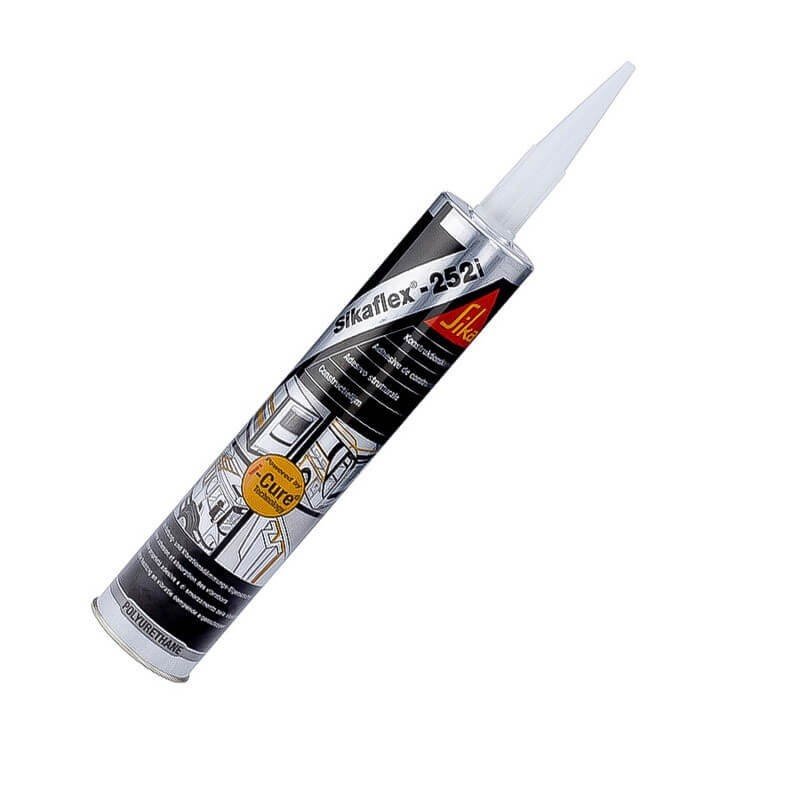
Before starting a bonding job, ask what the assembly will have to withstand: vibration, expansion, moisture, light exposure. An elastic adhesive tolerates movement between two parts better than a rigid one. Sikaflex 252i, here in black, follows this flexible-mounting logic, with the Sika brand as a reference in bonding and sealing.
What do we know about this model?
The information supplied is limited to the brand, the range name and the colour. The pack size, curing time, mechanical strength and list of compatible substrates are not specified. Rather than put forward figures we do not have, we invite you to read the manufacturer’s data sheet and to confirm your choice with a test.
Possible applications
In a home setting, this adhesive can be used to fix brackets, strips or accessories on a leisure vehicle, a trailer or a shelter. In a workshop, a technician will use it in an assembly process where each step is documented.
- Fixing dark profiles on panels or bodywork.
- Fitting decorative or functional elements on a black substrate.
- Routine maintenance and repair work.
Black, an aesthetic and practical choice
Black hides the small imperfections of a bead on a dark substrate. It is also less noticeable around a black frame, seal or hatch. On white or a light shade, however, it shows: test the look before bonding for good.
Whatever the project, write down the surfaces involved and the ambient conditions on the day. If the same assembly has to be repeated several times, this record lets you reproduce the method and compare results from one job to the next without guessing.
Strengths
- Elastic adhesive from a recognised brand.
- Black shade suited to dark finishes.
- Fits private and professional use, once the substrate has been checked.
Technical specifications
- Brand: Sika
- Name: Sikaflex 252i
- Shade: black
Preparation and fitting
Clean and dry each surface, remove dust, grease and traces of silicone, then check the condition of the substrate. Apply an even bead, join the parts within the time recommended by the manufacturer and hold them without moving them. Load-bearing assemblies, or ones linked to personal safety, should be left to a qualified professional after reading the manufacturer’s documentation.
If the substrate is porous, glossy or treated, ask yourself whether it needs a specific preparation. A test on an offcut costs little and saves redoing a whole bond.
Safety
- Ventilate the work area.
- Wear gloves and eye protection.
- Do not eat, drink or smoke while applying.
- Keep the product away from children and animals.
Care and keeping
Keep the product in its closed packaging, dry and at a moderate temperature. A bonded surface can be cleaned with a soft cloth and water; avoid solvents not recommended by the manufacturer, which could damage the joint. From time to time, inspect assemblies exposed to vibration or temperature changes to spot any lifting and act early.