When two connectors do not speak to each other
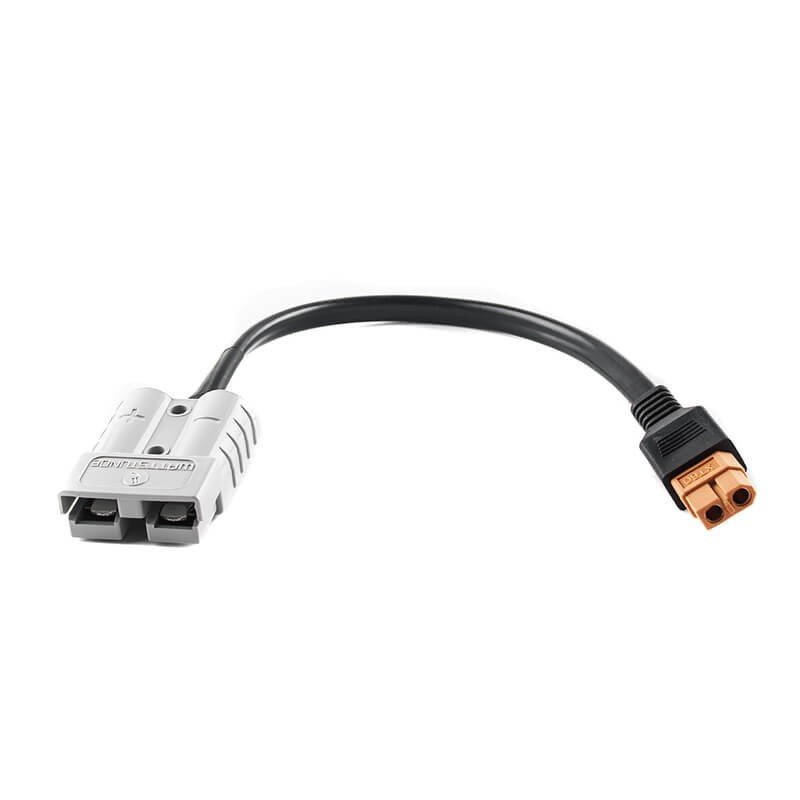
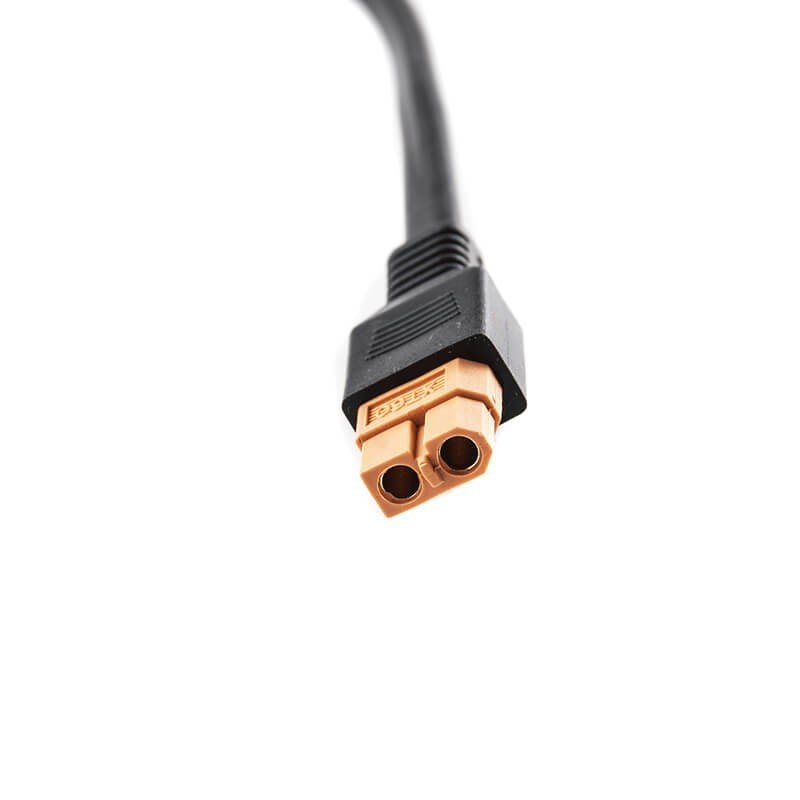
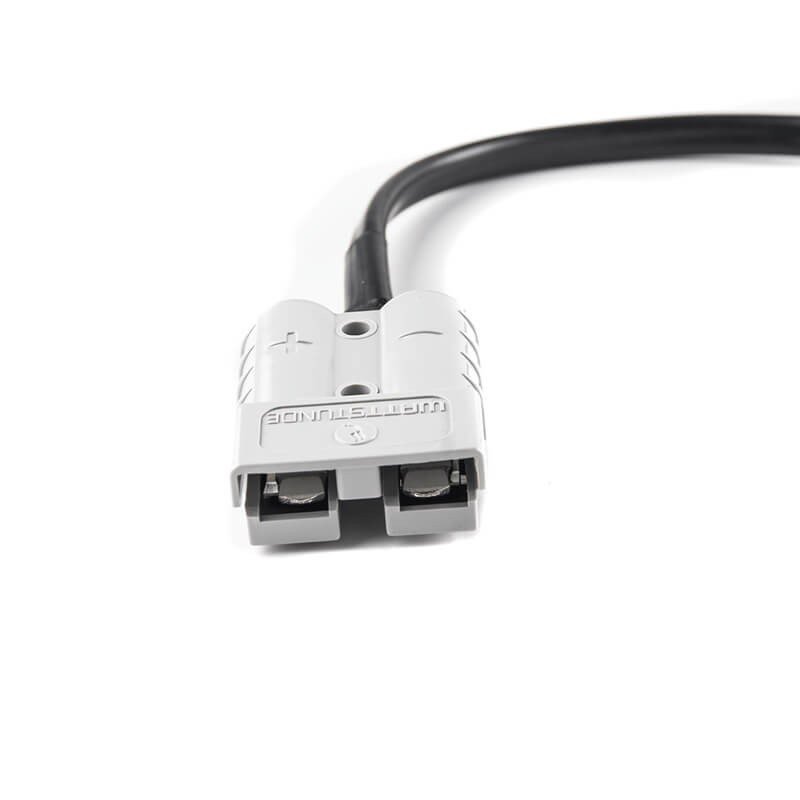
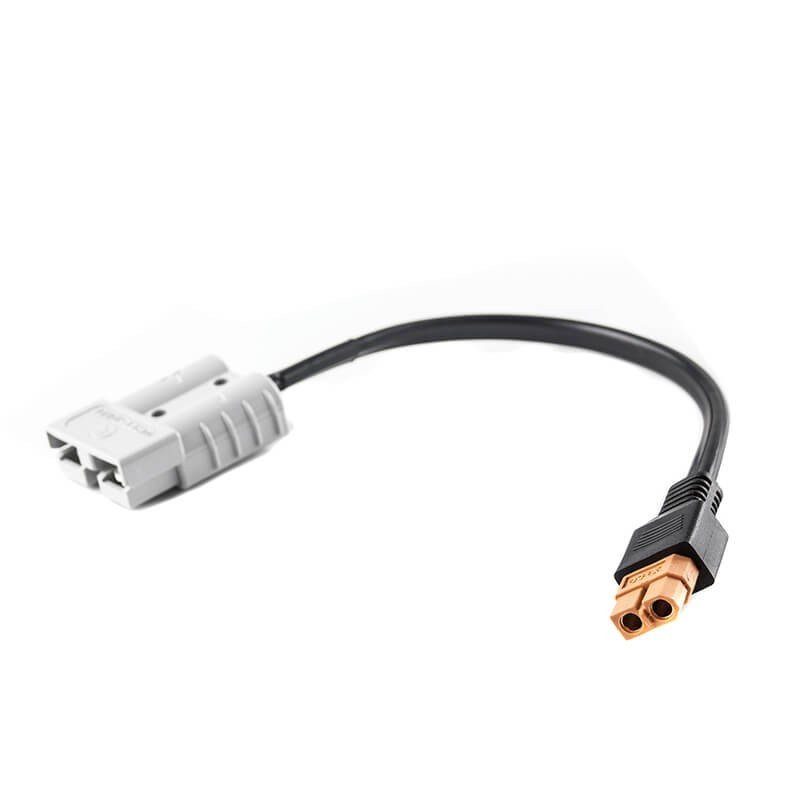
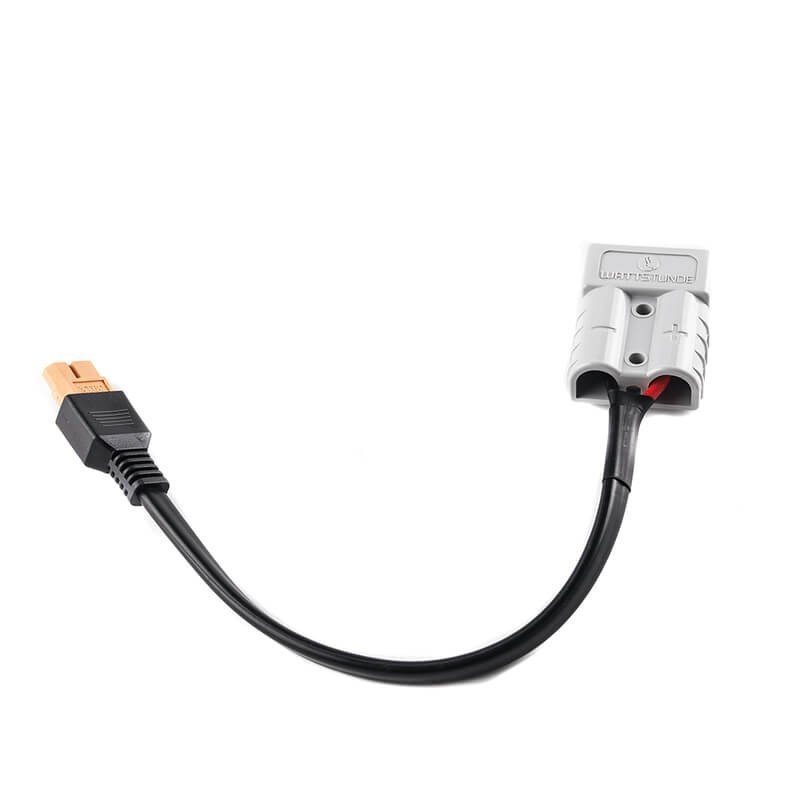
In the world of batteries, portable stations and panels, several families of plugs coexist. One device may have an Anderson socket while the other expects an XT60 connector. This 15 cm Wattstunde adapter bridges the two without a made-to-measure cable.
What is it for in practice?
It extends an output or input on one side into the format of the other. Its short length avoids clutter and limits cable loops, which is welcome in a locker, a drawer or a technical enclosure.
Who might find it useful?
In a personal setting
An owner of a van, a boat or a small workshop with accessories in two different formats can make them work together more easily.
In a professional setting
Maintenance technicians, installers of off-grid systems and trainers like to keep a few adapters of this kind in their case for quick fixes.
What is known, and what must be checked
The available information is limited to the Wattstunde brand and the 15 cm length. Cable cross-section, permitted current, voltage and material are not supplied. Before any use, consult the manuals of the two connected devices to learn their limits, and make sure the polarity on each side is what you expect.
Putting it to use
- Switch the devices off and disconnect any energy source.
- Identify the Anderson plug and the XT60 connector to be joined.
- Push each end in as far as it will go.
- Check polarity with a meter if you have any doubt.
- Power up again and observe the first operation.
Connection to a household electrical installation is a job for a qualified installer.
The benefits
- 15 cm length, short and compact.
- Direct passage from one format to the other, with no modification to the devices.
- An accessory that can be stored anywhere and taken along on trips.
Technical specifications
- Brand: Wattstunde
- Type: Anderson to XT60 adapter
- Length: 15 cm
Safety
An adapter does not raise the limits of the devices: the weakest link always counts. Do not subject it to a current higher than the manuals allow, avoid any contact between bare plugs, and unplug it if the sheath warms up. Keep it dry, as the protection rating is not stated.
Care and storage
Wipe the contacts with a dry cloth, check that they are neither blackened nor deformed, and store the adapter away from damp, for example in a closed bag with the rest of your cables.
Choosing advice
Before buying, note the type of plug on each device, since formats sometimes look alike. Photograph the connectors and compare them with those of the product. If in doubt, ask the maker of the equipment concerned for advice.