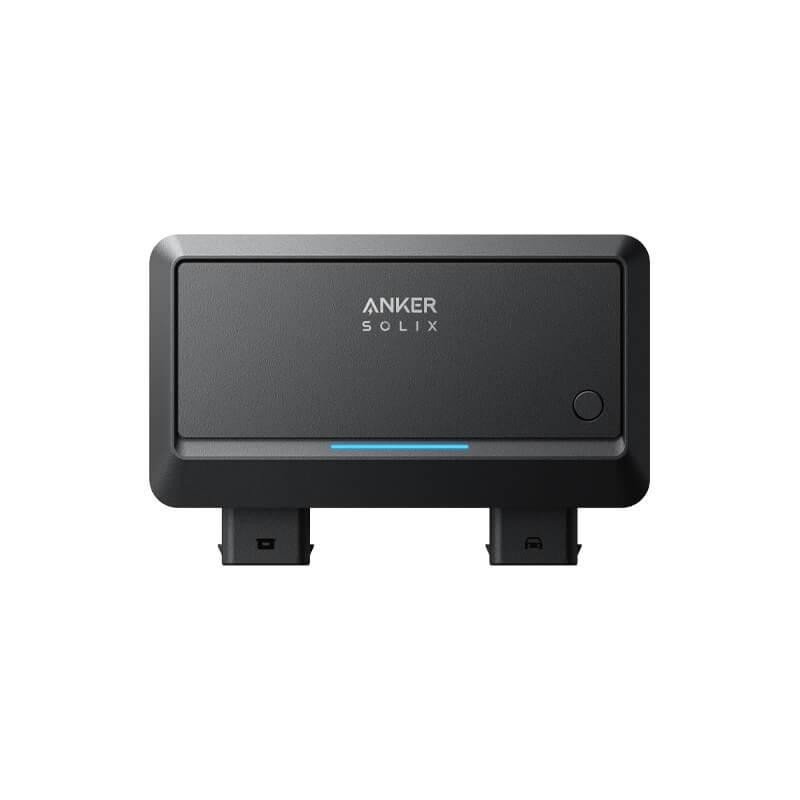
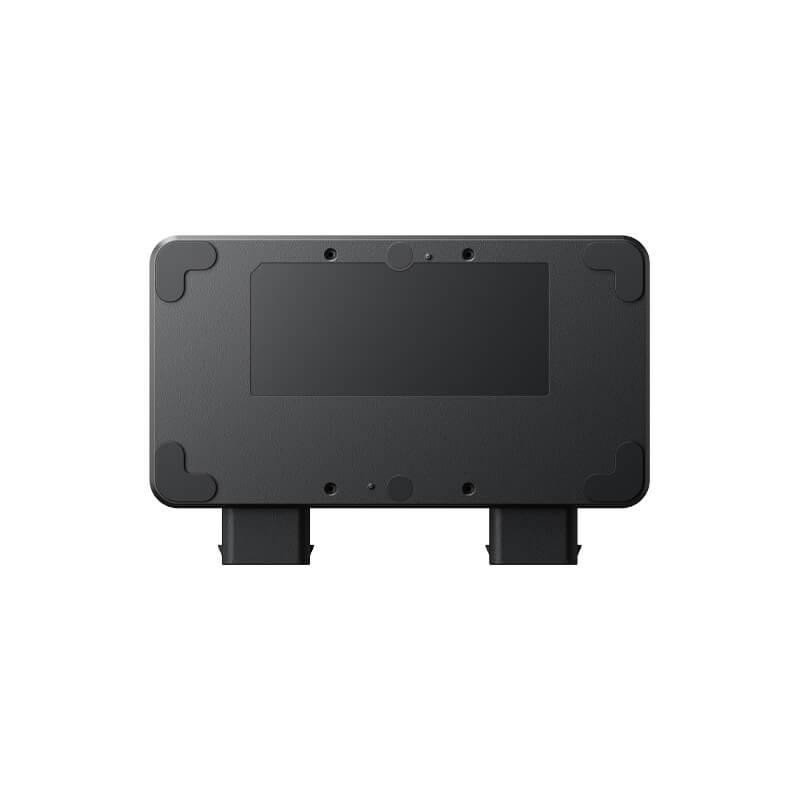

Turning every drive into charging time
The Anker SOLIX alternator charger is designed to recover the energy a vehicle’s engine produces and put it into an auxiliary battery or a power station. While you drive, the alternator works anyway; this unit sits between it and the battery to be recharged and manages the transfer. For anyone who sleeps or works in their vehicle, it amounts to using road hours as charging time.
Usage scenarios
Travel and leisure
A converted van that powers a fridge, lighting and electronics uses energy even when parked. By connecting this charger to the alternator circuit, you refill the reserve between stops. It also suits a boat or a towed caravan, subject to checking each connection.
Mobile work
A travelling tradesperson, a field photographer or a maintenance crew powering tools from a van can see it as a way to cut down on stops for recharging. It remains to confirm, with the vehicle maker and the battery maker, that the installation is acceptable.
Data sheet figures
- Input: 11 V to 28.8 V, 80 A / 800 W max.
- Output: 11 V to 28.8 V, 80 A / 800 W max.
- Dimensions: 218 × 119 × 68 mm
- Weight: 1.3 kg
Input and output cover the same voltage range. That does not say which batteries are accepted, though: refer to the manufacturer’s documentation to learn the supported types and voltages.
What is appealing in the design
- A small volume, easy to house.
- A weight of 1.3 kg that does not strain the mounting.
- A maximum power of 800 W, leaving a comfortable margin for common uses.
Fitting in the vehicle
Choose a spot near the vehicle battery to shorten the most heavily loaded cables, away from engine heat sources and sheltered from splashes. Currents of 80 A call for large-section cables and protection matched to the values in the manual. Recent vehicles have a charge-management system that can react to a poorly planned connection: a qualified installer will know which tap-off point suits.
Precautions
Switch off the ignition and disconnect the battery before working on the circuit. Do not exceed the input and output limits, check polarity and tighten lugs fully. Let air circulate around the housing and do not stack luggage on it. If abnormal heating appears, stop using it and have the installation checked.
Follow-up and storage
Inspect cables, fuses and lugs periodically, because vehicle vibrations loosen connections over time. Clean the housing dry. If the vehicle sits idle for a long time, leave the unit disconnected from the battery and keep it somewhere dry. When you change the battery or the power station it feeds, go through the ratings again: the figures on the label of the new equipment must stay within those stated for the charger. A short written log of your checks makes later troubleshooting much easier.