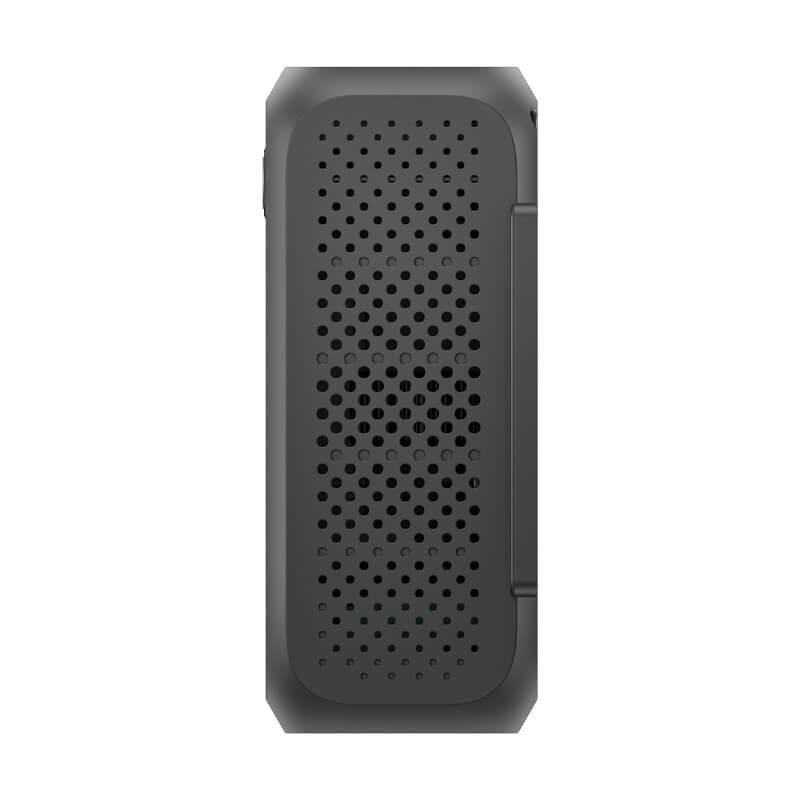


Two charging sources, one device
The Bluetti Charger 2 is a direct-current charger that brings together two supply paths: a vehicle’s alternator and solar panels. Its name mentions a power of 1200 W. The idea is simple: while the engine runs, the energy from the alternator can feed a battery or a power station; when parked, the sun takes over. You are no longer tied to a single source.
Who can use it?
Travellers and adventurers
A motorhome, converted van or pleasure boat often carries an energy reserve that needs topping up. Driving for a few hours and then enjoying a sunny pitch lets you combine both inputs. The 265 x 169 x 69.7 mm housing slips into a trunk or under a bench seat.
Professional uses
A service vehicle, a mobile workshop truck or a stand-alone measuring station can use it to keep a service battery charged. For any fleet, compatibility with each vehicle and each battery must be checked case by case in the manufacturer’s documentation.
What the data sheet says
- Temperature range: -20 °C to 60 °C
- Weather protection: IP20
- Dimensions: 265 x 169 x 69.7 mm
- Weight: 1.59 kg
No voltage or current is supplied here, apart from the 1200 W in the model name. To size cables and protection, rely on the official manual rather than on estimates.
Think about the whole chain first
A charger of this kind is only one link in a chain: you also need a battery or power station able to receive this current, suitable panels if you want to use the sun, and a vehicle whose alternator can bear the extra load. List these items, compare their ratings with the manufacturer’s figures, and do not hesitate to ask a specialist in on-board equipment for advice.
Placing the unit and wiring it
An IP20 rating means the unit must not be exposed to water: put it in a dry, ventilated compartment, away from road spray. Fix it firmly so that vehicle vibrations do not loosen the connections. Connecting to the alternator touches the vehicle’s electrics, and connecting a panel array involves a DC circuit that can be high: have a qualified installer do it if you are not used to such work.
- Plan cables whose cross-section matches the expected current.
- Add the protection the manual recommends.
- Check polarity before switching on.
Safety precautions
The operating range of -20 °C to 60 °C sets a frame to respect: do not enclose the unit in a space that heats up in the sun without airflow. Disconnect the sources before any handling. Do not cover the housing or store items on it. If the unit gets unusually hot, gives off a smell or shows visible damage, stop using it.
Routine care
Once a season, inspect lugs and cables for wear, oxidation or play. Wipe dust off with a dry cloth. For long storage, disconnect it from the vehicle and keep it dry, within the stated temperature range.