Why connect a battery to a smart meter
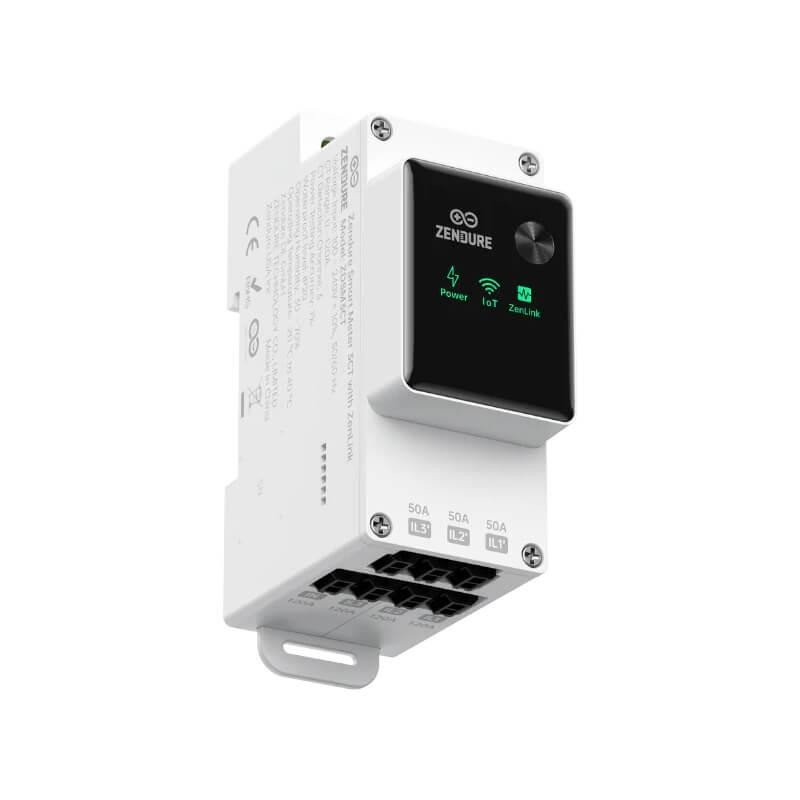
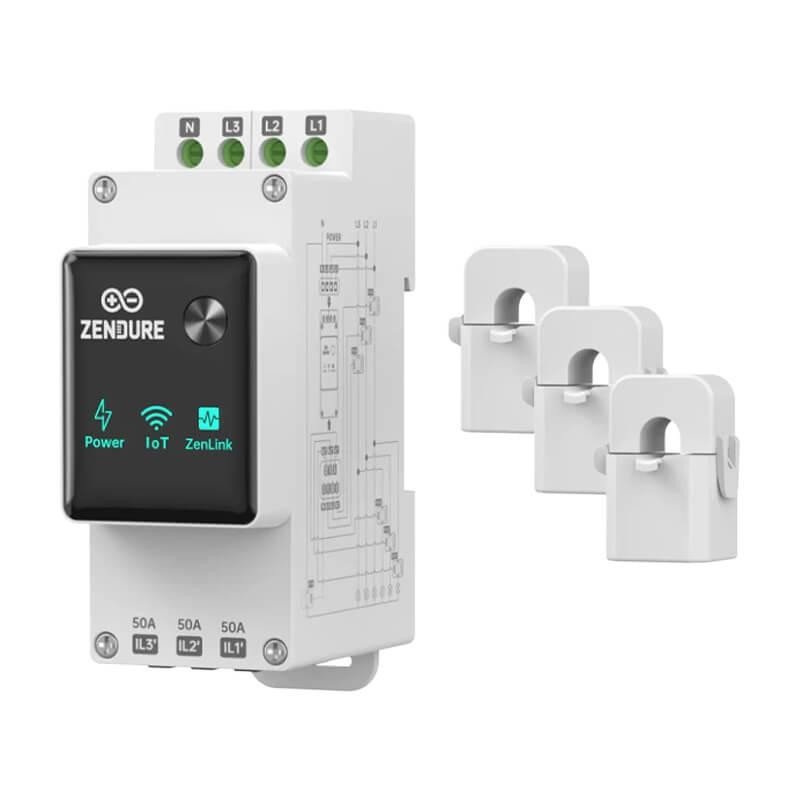
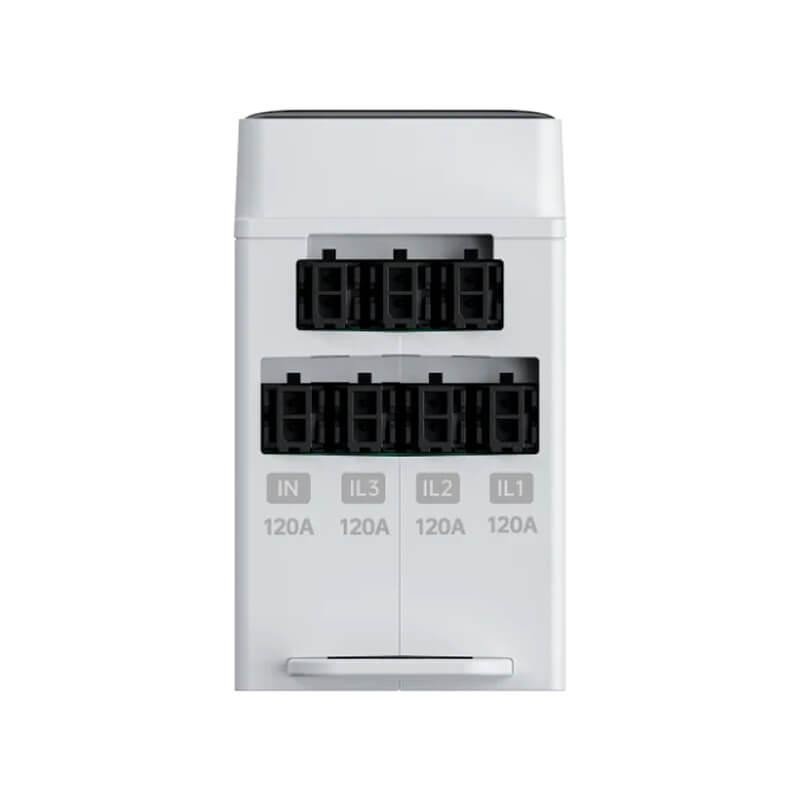
A home battery is most useful when it delivers just what the house needs, no more and no less. To manage that, it has to know the household’s consumption in real time. The Zendure Smart Meter plays the observer: installed at the electrical supply, it measures and passes the information to the Zendure system alongside it. The product name mentions 3CT and 120A; these markings should be read together with the manufacturer’s manual, since the listing gives no further explanation of their meaning.
Everyday use
After commissioning, the unit stays in a reading standby. You check the values from the app or the screen of your equipment and let the system adapt. No daily handling is needed.
Where it fits
- A house with a battery and solar panels, where you want to use your own production first.
- A home whose appliances start up at very irregular times.
- A workshop or small shop wishing to see its power demand over the course of the day.
What the product data says
The supplied information is limited to the brand, Zendure, and the 3CT and 120A markings in the name. We therefore state no dimensions, weight, protection rating or measuring range. To size your project correctly, rely on the official documentation rather than on guesses.
Connection and setup
A meter of this kind is placed at the electrical panel, often with current sensors around the conductors. The work is done close to conductors that may be live, so it falls to a qualified electrician. Before starting, identify the circuits to measure, check the space available in the enclosure and plan the cable route to the Zendure system.
Strengths of the model
- A dedicated accessory from the same brand as the equipment it steers.
- Continuous measurement that avoids a fixed power setting.
- A one-off installation with no repeated tasks afterwards.
Technical specifications
- Brand: Zendure
- Designation: Smart Meter 3CT 120A
Safety precautions
Switch the installation off before opening the panel and confirm there is no voltage with a suitable tester. Use only cables and accessories that match the manual, without exceeding the limits it gives. Keep the unit dry and away from heat sources, and do not modify it. If you are unsure about any connection, stop and call a professional.
Care and storage
The product needs no regular maintenance. A dry cloth, with the unit powered down, removes dust. Check from time to time that connections are not working loose. For longer storage, choose a dry, moderate place, keep it in the original packaging and store the manual with the unit. If the home’s electrical set-up changes later, for example after adding a heat pump or a charging point, ask an installer whether the measuring arrangement still suits it.